
Arona Mayor Faces Investigation Over Alleged Obstruction of Urban Planning Permits
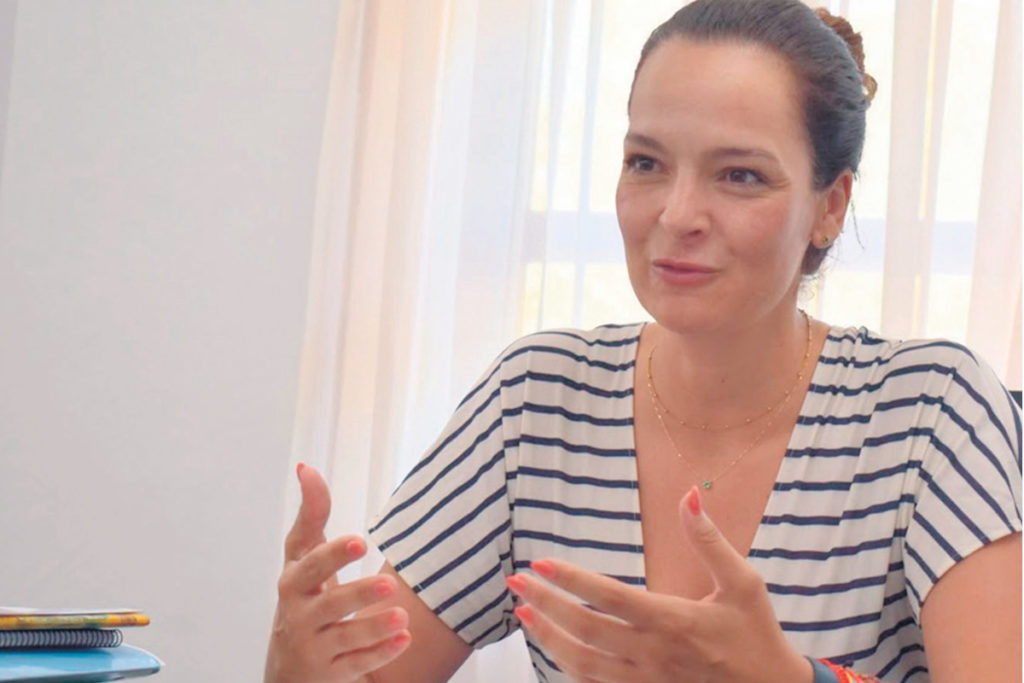
Arona Mayor Fátima Lemes faces an expanded legal complaint alleging administrative misconduct for allegedly stalling approved urban planning permits.
The institutional crisis at Arona City Council has deepened following new court filings. A complaint alleging administrative misconduct—previously focused on four Coalición Canaria councilors—has now been expanded to include Mayor Fátima Lemes. The move puts significant pressure on the local government, as it centers on allegations that the mayor deliberately blocked urban planning permits that had already received technical approval.
At the heart of the case is a dispute over the Local Government Board’s meeting agendas. The plaintiff claims that a specific urban planning file, dating back to 2020 and concerning a project on Camino Montaña Chayofita, was ready for approval as early as last July. However, the complaint alleges that the mayor, who holds sole authority over the agenda, repeatedly left the item off the schedule throughout September.
The legal challenge gains weight by comparing this delay to other projects handled during the same period. Evidence submitted to the court shows that during September meetings, the council successfully processed major construction licenses for other developers, such as Metrovacesa and the Canary Island Karting Club. The prosecution argues this proves there was no general administrative backlog, but rather a selective effort to exclude this specific project—a move they contend constitutes "prevarication by omission."
The project in question involves the demolition and construction of a sociocultural center. After six years of review, it received a favorable recommendation on July 6, pending a 353,500-euro guarantee. Despite this, the item was pulled from the agenda that month, and the council subsequently requested a new legal report on issues the developer claims had already been settled.
The plaintiff has now formally requested that the mayor be called to court as a person under investigation. To support their case, they are seeking official meeting minutes, recordings, and testimony from the council’s deputy secretary general to clarify how agendas are set. The court must now decide whether to move forward with this expanded complaint, a case that raises serious questions about the limits of political discretion and the potential legal consequences of using agenda-setting powers to stall projects that have already been cleared by municipal experts.